

 Share
Share
 Post
Post
 Pin
Pin
 Share
Share
 Share
Share
 Share
Share
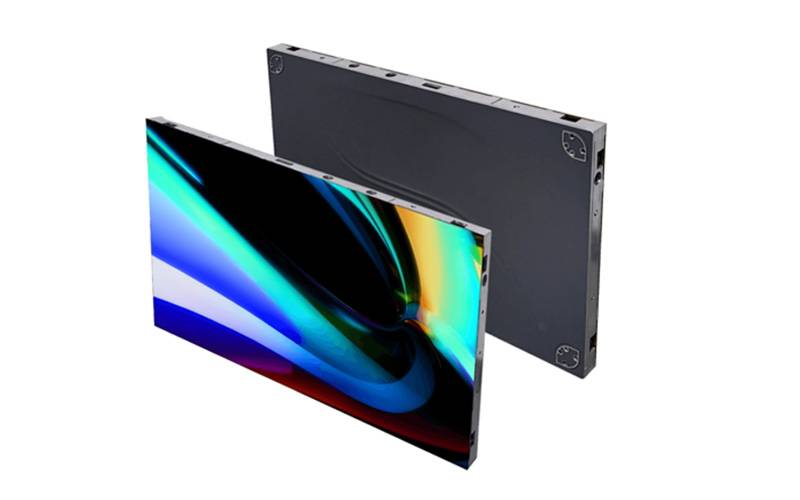
There is a shift happening across business spaces, retail environments, corporate offices and event venues. Screens that once looked acceptable are now being replaced, and the reason is not just aesthetics. The COB LED Display technology has changed what businesses expect from their visual communication, and companies like Yotech Infocom Pvt. Ltd. have been at the centre of helping businesses make that transition confidently. Once you understand what this technology actually delivers, the shift starts to make complete sense.
Traditional LED screens served their purpose for a long time. But they came with limitations that became harder to ignore as display expectations grew. Visible pixel gaps made close-up viewing uncomfortable. Fragile surface components meant frequent maintenance and replacement costs. Colour consistency was difficult to maintain across the full screen, especially after extended use. Businesses were spending money keeping screens functional rather than getting consistent value from them. The technology worked, but it was showing its age in ways that affected both performance and running costs.
The difference with COB technology is not just about the image you see. It starts with how the components are built. In conventional LED screens, individual diodes are mounted on a surface and exposed to physical contact, dust and moisture. COB construction encapsulates the diodes directly into the substrate under a protective layer. This changes the durability profile of the screen entirely. The surface becomes smooth, impact-resistant and far less vulnerable to the kind of damage that causes dead pixels and patchy displays over time. The engineering is different, and the real-world results reflect that.
Businesses invest in screens because they need people to pay attention. A display that strains the eyes or looks inconsistent across its surface is working against that goal. Here is what the visual difference looks like in practice:
Running costs rarely get enough attention in the initial buying conversation. A screen that is cheaper to buy but expensive to maintain is not actually a better deal. The COB LED Display Screen has a meaningful advantage here. The protective encapsulation means dust, moisture and accidental contact cause far less damage than they would on a conventional screen. Cleaning is simpler. Component failure rates are lower. The need for specialist technicians to replace surface-mounted diodes drops significantly because the construction method itself reduces the failure points.
The switch is happening across a wider range of environments than most people initially expect. Retail spaces are using these screens for product displays where close viewing is unavoidable and image quality directly affects purchasing decisions. Corporate boardrooms are replacing older screens because presentation quality now reflects on the organisation directly. Event companies are investing in COB solutions because they need screens that travel, get set up repeatedly and still perform reliably without constant babysitting. Control rooms and command centres are making the switch because the screens need to run continuously for extended hours without degradation. The common thread across all of these is that performance cannot be an occasional thing. It has to be consistent every time.
Decisions about display technology are not short-term ones. A screen installed today will be part of the business environment for years. Buying on price alone without considering longevity, maintenance demand, and visual consistency is a decision that tends to cost more in the medium term than it saves upfront. Businesses that are making the switch to COB solutions are largely doing so because they have done that calculation and the answer keeps pointing in the same direction. Better build quality, lower ongoing costs, and a visual output that does not need to be apologised for.
Technology choices in business always come back to the same question: what delivers the best return over time? When it comes to display solutions, the answer has shifted. Businesses are not switching because it is fashionable. They are switching because the performance gap is real, the maintenance savings are measurable, and the visual quality speaks for itself the moment you stand in front of one. That is a combination that is difficult to argue against.
Digital signages enhance communication, engage customers, and provide dynamic content delivery, promoting brand visibility and information dissemination in a visually appealing manner.
Interactive Flat Panels facilitate collaborative learning, interactive lessons, and dynamic presentations. With touch capabilities and multimedia support, they enhance student engagement and learning outcomes.
LED Video Walls deliver vibrant, seamless visuals for impactful presentations, events, and advertising. With high brightness and resolution, they ensure eye-catching displays in diverse environments.
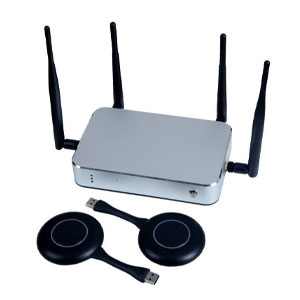
Wireless Presentation Systems enable seamless content sharing, fostering collaboration in meetings. Users can wirelessly connect devices, share content, and enhance productivity with efficient, cable-free presentations.
Audio video Conferencing Systems offer high-quality communication, ensuring clear audio and video for virtual meetings. They foster collaboration, connecting remote teams and facilitating effective communication.
Digital Podiums provide a technologically advanced platform for speakers. With integrated audio-visual features, touch controls, and connectivity options, they enhance presentations, lectures, and public speaking engagements.

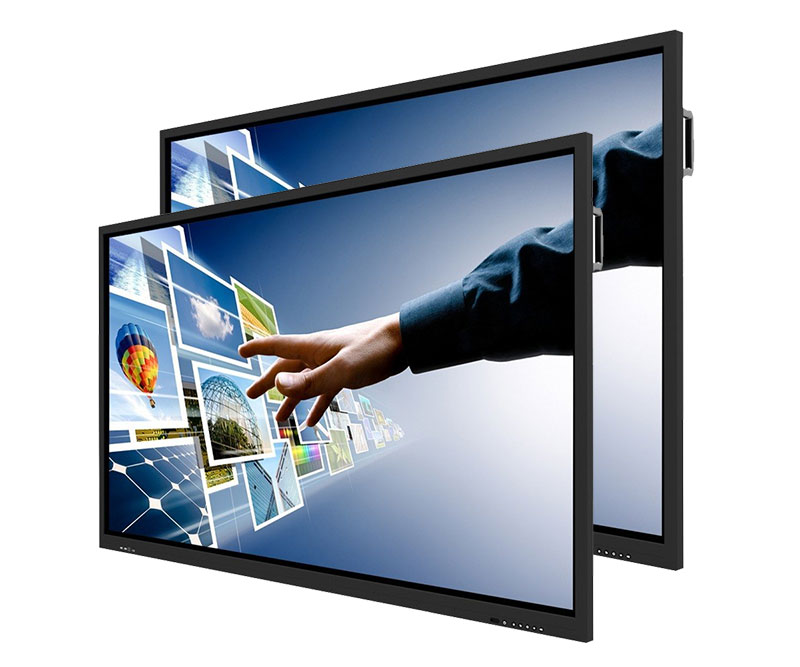
Provide an immersive experience with 4K resolution, up to 40 points of touch, a built-in top-oriented sound bar and microphone array, and a convenient camera USB port location.
| Size: | 86″ |
| Screen Type: | LED |
| Aspect Ratio: | 16:9 |
| Display Area: | 74.61″ x 41.97″ |
| Resolution: | 3840(H) x 2160(V) Ultra HD |
| Pixel Pitch: | 0.4935 mm x 0.4935 mm |
| Back Light Unit: | Direct type LED |
| Response Time: | 6.5 ms |
| Refreshing Frequency: | 60Hz |
| Display Color: | 1.07B (10 bit) |
| Brightness: | 350 cd/m2 |
| Static Contrast Ratio: | 1200:1 |
| Dynamic Contrast Ratio: | 4000:1 |
| Viewing Angle: | 178° |
| Life Time: | ≥50,000 hours |