

 Share
Share
 Post
Post
 Pin
Pin
 Share
Share
 Share
Share
 Share
Share
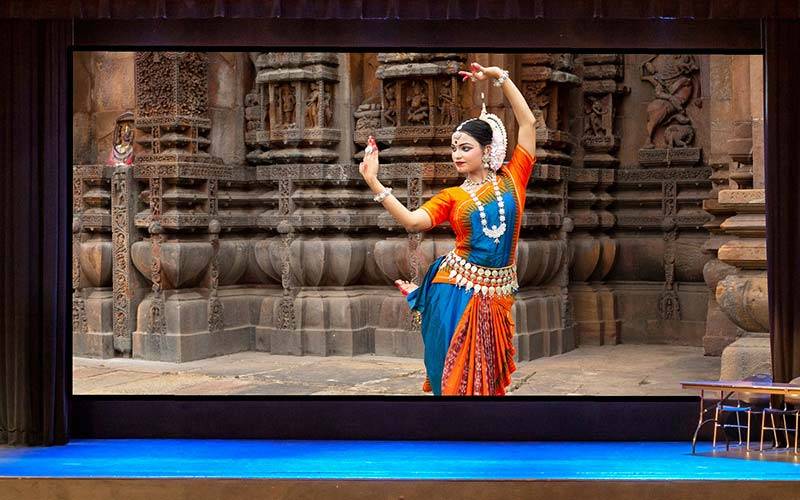
Walk through any busy lobby and notice what actually grabs attention. It is rarely the framed poster or the static banner nearby. Yotech Infocom Pvt. Ltd. builds Commercial Indoor LED Wall setups specifically for spaces like that. So why has this become the go to choice for branding lately Here is what is really driving that shift, minus the marketing jargon.
People walk past printed banners without registering them half the time. Eyes are trained to skip static visuals in busy spaces. Motion, color, and brightness pull attention in ways print simply can't. A screen that changes content stays relevant far longer, too. Swapping a banner means reprinting; swapping a screen means uploading a file. That flexibility alone changes how brands think about physical spaces. Attention is expensive now, and static visuals waste it constantly. Every second someone glances away is a missed brand opportunity.
Not every screen installation earns its place in a busy lobby. A few specific things separate impressive setups from forgettable ones:
Skipping any of these usually shows up fast in how visitors react. Getting all of them right takes more planning than people expect.
First impressions form within seconds of someone entering a space. A Commercial Indoor LED Wall instantly signals scale and seriousness to visitors. Colors stay vivid, and motion draws the eye immediately upon arrival. That immediate impact matters heavily in retail, hospitality, and corporate lobbies alike. Visitors remember spaces that felt intentional rather than generic or forgettable. Brands get a few seconds to make an impression stick. A well-placed screen often does that job better than anything else.
Most people never think about what powers the visuals they see. An Indoor LED Wall System combines individual panels into one seamless display. Software controls content scheduling, brightness, and layout across every connected panel. This backend matters as much as the screen's actual visual quality. Poor systems glitch, freeze, or misalign content during busy hours. A well-built system runs quietly in the background without demanding attention. Reliability here protects the brand experience far more than people realize.
Retail spaces see longer dwell times near dynamic, well-placed screens. Corporate lobbies use them to reinforce identity before meetings even start. Hotels rely on them for wayfinding alongside subtle brand messaging. Event spaces switch content instantly between sessions without extra setup cost. This adaptability makes the investment useful well beyond a single campaign. Spaces feel more current and considered once visuals stop feeling static. That perception shift often influences trust before anyone speaks a word.
Choosing hardware for a permanent installation deserves real, upfront diligence. Ask potential installers these specific questions before signing anything at all:
Clear, confident answers usually signal a team worth trusting fully. Vague responses about failure scenarios deserve extra scrutiny right away.
Installations like this represent a real, meaningful upfront financial investment. Cheaper alternatives often mean dimmer visuals or unreliable performance later. Quality panels reduce downtime and avoid costly emergency repairs down the line. Businesses should weigh years of impact against the initial price tag. Sometimes the pricier setup quietly earns its cost back quickly. Brand perception, once damaged by glitchy screens, is hard to repair. First impressions rarely get a genuine second chance to happen.
Branding today competes against constant noise and shrinking attention spans. Spaces that feel intentional and dynamic simply stand out more. A well-planned display does quite well; most visitors never consciously notice. It shapes trust, sets tone, and reinforces identity without saying much. Getting the technical details right protects that impression over time. The right investment here pays off well beyond opening week. Thoughtful design, more than flashy tech, is what actually sticks.
Digital signages enhance communication, engage customers, and provide dynamic content delivery, promoting brand visibility and information dissemination in a visually appealing manner.
Interactive Flat Panels facilitate collaborative learning, interactive lessons, and dynamic presentations. With touch capabilities and multimedia support, they enhance student engagement and learning outcomes.
LED Video Walls deliver vibrant, seamless visuals for impactful presentations, events, and advertising. With high brightness and resolution, they ensure eye-catching displays in diverse environments.
Wireless Presentation Systems enable seamless content sharing, fostering collaboration in meetings. Users can wirelessly connect devices, share content, and enhance productivity with efficient, cable-free presentations.
Audio video Conferencing Systems offer high-quality communication, ensuring clear audio and video for virtual meetings. They foster collaboration, connecting remote teams and facilitating effective communication.
Digital Podiums provide a technologically advanced platform for speakers. With integrated audio-visual features, touch controls, and connectivity options, they enhance presentations, lectures, and public speaking engagements.

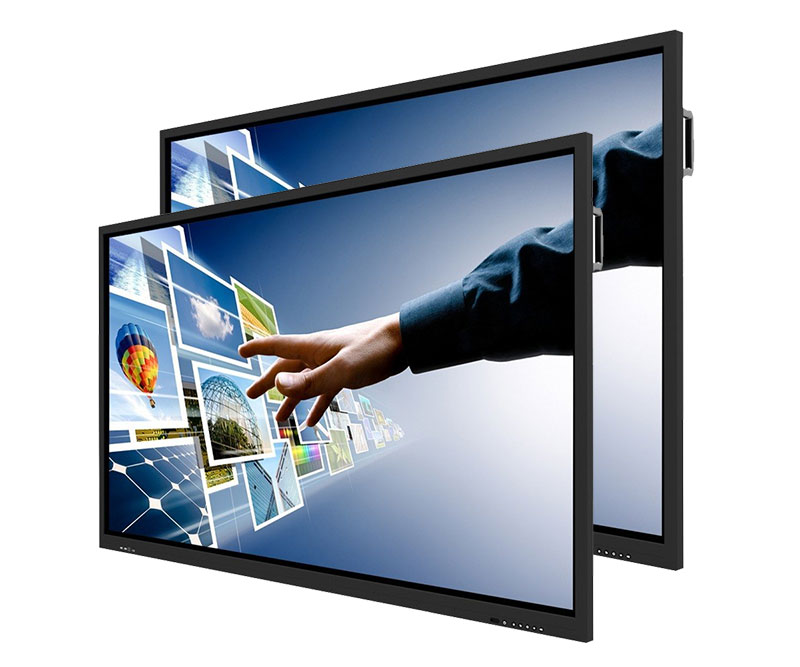
Provide an immersive experience with 4K resolution, up to 40 points of touch, a built-in top-oriented sound bar and microphone array, and a convenient camera USB port location.
| Size: | 86″ |
| Screen Type: | LED |
| Aspect Ratio: | 16:9 |
| Display Area: | 74.61″ x 41.97″ |
| Resolution: | 3840(H) x 2160(V) Ultra HD |
| Pixel Pitch: | 0.4935 mm x 0.4935 mm |
| Back Light Unit: | Direct type LED |
| Response Time: | 6.5 ms |
| Refreshing Frequency: | 60Hz |
| Display Color: | 1.07B (10 bit) |
| Brightness: | 350 cd/m2 |
| Static Contrast Ratio: | 1200:1 |
| Dynamic Contrast Ratio: | 4000:1 |
| Viewing Angle: | 178° |
| Life Time: | ≥50,000 hours |