

 Share
Share
 Post
Post
 Pin
Pin
 Share
Share
 Share
Share
 Share
Share
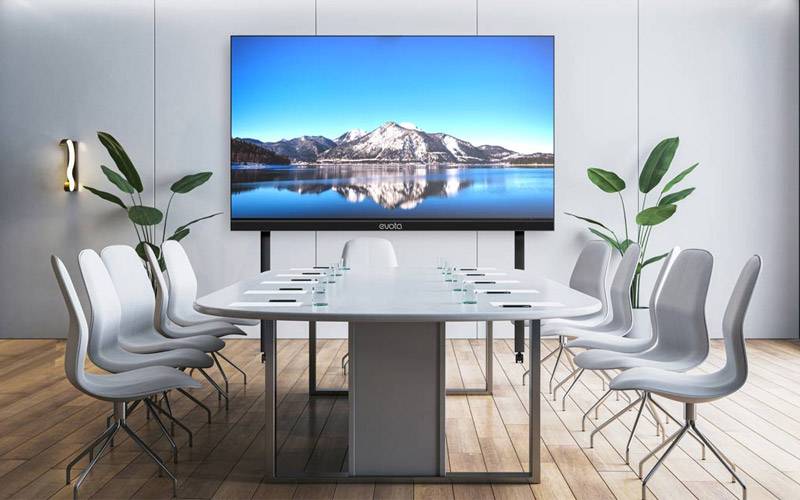
Every business eventually hits that moment where the regular screen just isn't cutting it anymore — the boardroom feels cramped during presentations, the auditorium's back rows can't read the slides, or the lobby display looks small next to everything else in the space. That's usually when someone brings up an All-In-One Direct View LED Display, and honestly, it's worth asking whether it really is the shortcut everyone claims it to be, or just another buzzword thrown around by AV vendors.
Strip away the marketing language, and the idea is fairly simple. Instead of buying a projector, a screen, a separate sound system, and a media player, then hiring someone to wire it all together, this format bundles the controller, power supply, audio, and display panel into a single frame. You mount it, plug it in, and it works.
That single design choice removes a surprising number of headaches:
For teams without a dedicated AV specialist on staff, that difference alone can save weeks of back-and-forth with contractors.
Large-format displays used to mean either a bulky projector setup or a custom-built modular LED wall assembled panel by panel on site. Both come with their own headaches — projectors need controlled lighting and regular bulb replacements, while modular walls need precise installation to avoid visible seams between panels.
This format sidesteps most of that. Since it arrives largely pre-assembled, sizing up to 138, 165, or even 220 inches doesn't automatically mean a longer, messier installation. A few practical wins worth noting:
The honest comparison usually comes down to convenience versus flexibility. A projector is cheaper upfront but demands a dark room and ongoing bulb costs. A fully modular wall offers more size flexibility but needs a technician for setup and calibration.
An All In One LED Display sits in a practical middle ground — sharp, bright visuals with far less setup complexity than a modular system, while avoiding the lighting restrictions that projectors bring. For a boardroom or lecture hall that gets used daily, that trade-off tends to favour convenience almost every time.
Where it does ask for a bit more thought is size flexibility. If your space might need a custom, irregular shape down the line, a modular system still offers more freedom. But for standard rectangular installs, most businesses don't actually need that flexibility in the first place.
This format tends to shine in spaces where reliability and ease of use matter more than absolute customisation:
In each of these, the appeal is the same — fewer moving parts, faster installation, and a display that just works without ongoing technical babysitting.
For most everyday business needs, yes. It won't replace every use case, and a highly customised, irregularly shaped installation will still lean toward a traditional modular build. But for the vast majority of boardrooms, auditoriums, and lobbies looking to upgrade without a lengthy installation process, this is about as close to plug-and-play as large-format displays get right now.
If you're weighing this option for your own space, Yotech Infocom Pvt. Ltd., based in New Delhi, manufactures large-format units in multiple sizes with built-in audio and front-serviceable panels, designed to make the move to a bigger screen a lot less complicated than it sounds.
Sometimes the simplest setup really is the smartest one.
Digital signages enhance communication, engage customers, and provide dynamic content delivery, promoting brand visibility and information dissemination in a visually appealing manner.
Interactive Flat Panels facilitate collaborative learning, interactive lessons, and dynamic presentations. With touch capabilities and multimedia support, they enhance student engagement and learning outcomes.
LED Video Walls deliver vibrant, seamless visuals for impactful presentations, events, and advertising. With high brightness and resolution, they ensure eye-catching displays in diverse environments.
Wireless Presentation Systems enable seamless content sharing, fostering collaboration in meetings. Users can wirelessly connect devices, share content, and enhance productivity with efficient, cable-free presentations.
Audio video Conferencing Systems offer high-quality communication, ensuring clear audio and video for virtual meetings. They foster collaboration, connecting remote teams and facilitating effective communication.
Digital Podiums provide a technologically advanced platform for speakers. With integrated audio-visual features, touch controls, and connectivity options, they enhance presentations, lectures, and public speaking engagements.

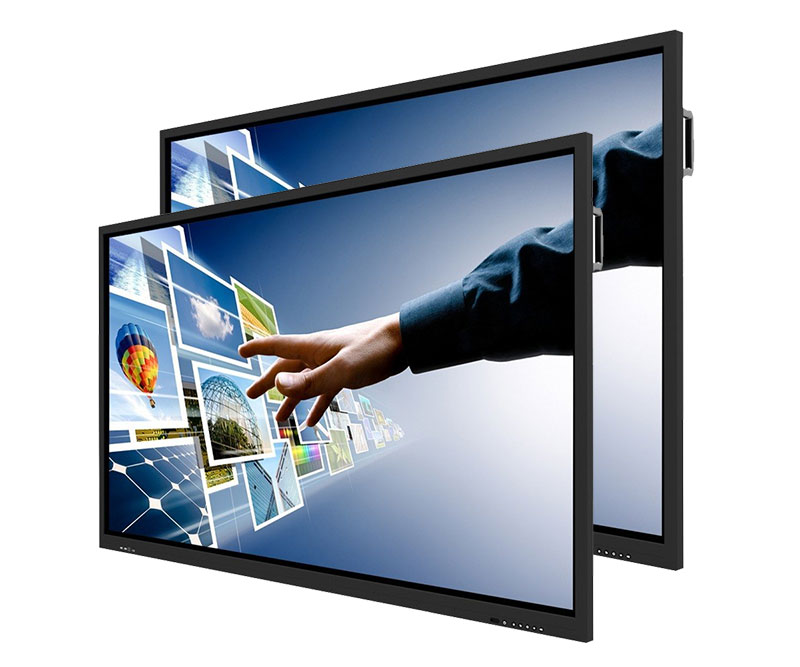
Provide an immersive experience with 4K resolution, up to 40 points of touch, a built-in top-oriented sound bar and microphone array, and a convenient camera USB port location.
| Size: | 86″ |
| Screen Type: | LED |
| Aspect Ratio: | 16:9 |
| Display Area: | 74.61″ x 41.97″ |
| Resolution: | 3840(H) x 2160(V) Ultra HD |
| Pixel Pitch: | 0.4935 mm x 0.4935 mm |
| Back Light Unit: | Direct type LED |
| Response Time: | 6.5 ms |
| Refreshing Frequency: | 60Hz |
| Display Color: | 1.07B (10 bit) |
| Brightness: | 350 cd/m2 |
| Static Contrast Ratio: | 1200:1 |
| Dynamic Contrast Ratio: | 4000:1 |
| Viewing Angle: | 178° |
| Life Time: | ≥50,000 hours |