

 Share
Share
 Post
Post
 Pin
Pin
 Share
Share
 Share
Share
 Share
Share
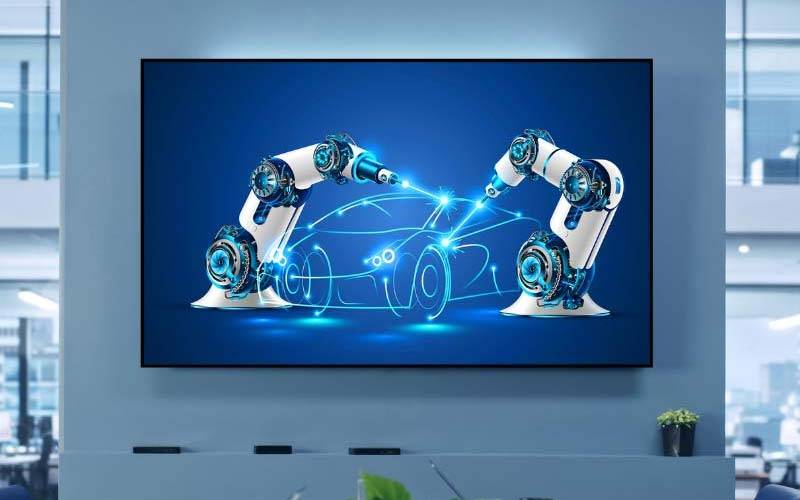
Venue owners often assume big upgrades mean months of disruption. That assumption stops a lot of good ideas before they start. Yotech Infocom Pvt. Ltd. has quietly proven that a Seamless Indoor LED Wall works differently. So what does the actual process look like, start to finish? Here is the honest version of that process, without the sales polish.
Most venues picture torn-up walls and weeks of closed doors. That image scares owners away from upgrades they genuinely need. Modern installs work around existing schedules more than people expect. Teams plan around event calendars instead of forcing venues to pause. Downtime shrinks dramatically once installers actually understand the space beforehand. A well-planned job often finishes faster than owners initially guess. Most owners are pleasantly surprised by how quickly the crew wraps up. Preparation, not luck, is what actually keeps disruption to a minimum.
Not every install goes smoothly, even with good hardware involved. A few specific things separate painless upgrades from messy ones:
Skipping any of these steps usually shows up during opening week. Getting them right up front saves headaches nobody really wants later.
Visible panel gaps quietly ruin an otherwise impressive, expensive display. This kind of setup keeps the image unbroken across every panel. That continuity matters most during wide shots or sweeping visuals. Guests notice broken lines even when they can't explain why. Removing that distraction keeps attention exactly where it truly belongs. Venues investing in visuals want them to feel effortless, not assembled. That seamless quality often becomes the detail people remember most.
Most people never think about the individual pieces forming the picture. Every Indoor LED Wall Panel connects precisely to form one continuous surface. Alignment tolerances stay tight enough that seams disappear entirely from view. Poor panel quality shows itself quickly through visible lines or color mismatch. Better panels age evenly, keeping brightness and color consistent for years. This is where cheaper installs quietly fail long after opening day. Quality here protects the investment long after installation crews leave.
Event spaces switch entire atmospheres between morning and evening bookings. Restaurants use ambient visuals to shift mood without touching decor. Retail spaces rotate promotions instantly instead of reprinting physical signage. Hotels use lobby walls for wayfinding and subtle brand reinforcement together. This flexibility means one installation serves dozens of different purposes. Venues report using the display far more than they initially planned. Something that adapts easily tends to get used far more constantly.
Choosing an installer deserves more scrutiny than most owners give it. Ask these specific questions before signing any installation contract at all:
Clear, specific answers usually signal a team worth hiring confidently. Vague timelines or dodged questions deserve real hesitation right away.
Every week without a strong visual upgrade quietly costs something. Outdated displays fail to impress guests booking premium, high-value events. Competitors with better visuals win comparisons before pricing even enters the conversation. Installation cost should be weighed against years of ongoing venue impact. Sometimes waiting costs more than the actual upgrade itself would. A modern display often pays for itself faster than owners expect. That return usually shows up sooner than most people initially assume.
Upgrading a venue's visual identity feels bigger than it actually is. Most hesitation comes from imagined disruption rather than real complexity. Good planning turns a daunting project into a manageable, short timeline. The result changes how guests experience a space almost instantly. Visuals shape memory more than most owners consciously ever realize. Getting this right elevates a venue well beyond opening night. Sometimes the boldest upgrade is simply the easiest one to make.
Digital signages enhance communication, engage customers, and provide dynamic content delivery, promoting brand visibility and information dissemination in a visually appealing manner.
Interactive Flat Panels facilitate collaborative learning, interactive lessons, and dynamic presentations. With touch capabilities and multimedia support, they enhance student engagement and learning outcomes.
LED Video Walls deliver vibrant, seamless visuals for impactful presentations, events, and advertising. With high brightness and resolution, they ensure eye-catching displays in diverse environments.
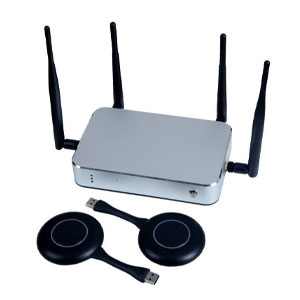
Wireless Presentation Systems enable seamless content sharing, fostering collaboration in meetings. Users can wirelessly connect devices, share content, and enhance productivity with efficient, cable-free presentations.
Audio video Conferencing Systems offer high-quality communication, ensuring clear audio and video for virtual meetings. They foster collaboration, connecting remote teams and facilitating effective communication.
Digital Podiums provide a technologically advanced platform for speakers. With integrated audio-visual features, touch controls, and connectivity options, they enhance presentations, lectures, and public speaking engagements.

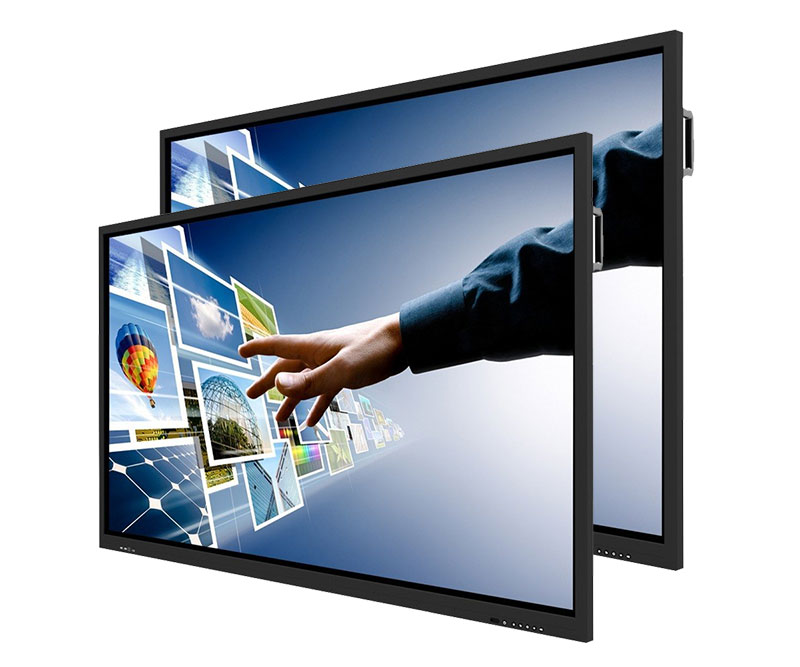
Provide an immersive experience with 4K resolution, up to 40 points of touch, a built-in top-oriented sound bar and microphone array, and a convenient camera USB port location.
| Size: | 86″ |
| Screen Type: | LED |
| Aspect Ratio: | 16:9 |
| Display Area: | 74.61″ x 41.97″ |
| Resolution: | 3840(H) x 2160(V) Ultra HD |
| Pixel Pitch: | 0.4935 mm x 0.4935 mm |
| Back Light Unit: | Direct type LED |
| Response Time: | 6.5 ms |
| Refreshing Frequency: | 60Hz |
| Display Color: | 1.07B (10 bit) |
| Brightness: | 350 cd/m2 |
| Static Contrast Ratio: | 1200:1 |
| Dynamic Contrast Ratio: | 4000:1 |
| Viewing Angle: | 178° |
| Life Time: | ≥50,000 hours |