

 Share
Share
 Post
Post
 Pin
Pin
 Share
Share
 Share
Share
 Share
Share
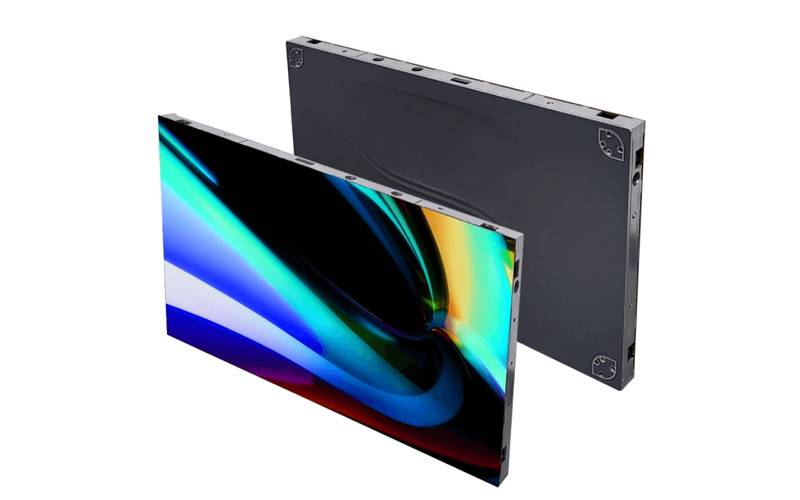
If you’ve spent any time researching high-end digital signage or boardroom upgrades lately, you’ve likely bumped into a three-letter acronym that is currently shaking up the industry: COB. While traditional screens have served us well, the shift toward a cooler, thinner, better: the efficiency secrets of COB LED Display technology is more than just a minor spec bump. It represents a fundamental change in how light-emitting diodes are packaged, moving away from individual "bulbs" and toward a unified, high-performance surface that stays cool while looking absolutely brilliant.
For years, the standard was SMD (Surface Mounted Device). In an SMD setup, each tiny LED pixel is its own separate package soldered onto a board.
COB flips the script. Instead of individual packages, the LED chips are mounted directly onto the substrate. This creates a much higher "packing density." Because the chips are so close together and bonded directly to the board, the heat dissipation is significantly improved.
In today’s interior design, bulk is a word that is no longer desirable. Whether it’s a luxury retail space or a chic executive office, nobody wants a thick, protruding box hanging from the wall.
With the elimination of the need for individual plastic casings around every pixel, the overall module can be created with a significantly thinner profile. This is not only aesthetically pleasing, but it is also safer and more versatile in its installation capabilities because you can hang this display in a place where a thick, traditional box-style LED display simply cannot be installed.
Energy efficiency isn't just about being "green"—it's about the total cost of ownership. Traditional LEDs can get surprisingly hot, which requires heavy-duty cooling fans. Those fans make noise and eventually fail.
The efficiency benefits of COB technology include:
One of the most annoying things about traditional LED walls is their fragility. If someone accidentally bumps a standard SMD screen, they can easily knock a pixel loose, leaving a "black hole" in your image.
COB displays are encapsulated in a smooth, protective resin. This creates a surface that is essentially a solid piece of glass. You can wipe it down with a cloth, and it is naturally resistant to dust, moisture, and static.
If you’ve ever noticed a "grayish" tint on a large screen when it’s supposed to be showing a dark scene, you’re seeing the limitations of older packaging. COB technology allows for a much darker background between pixels. This creates a staggering contrast ratio. When the blacks are deeper, the colors pop with a level of realism that makes the screen look like a printed photograph rather than a digital display.
For those who wish to attain this level of visual perfection, the selection of an excellent COB LED Display Screen from an esteemed partner like Yotech Infocom Private Limited guarantees that the latest technology in heat management and pixel pitch is at one's disposal.
If you are still weighing your options for a digital upgrade, here is why the "Cooler, Thinner, Better" approach is gaining so much momentum:
Technology should work for you, not the other way around. The era of loud, hot, and fragile screens is quickly fading. By choosing a system that prioritizes thermal efficiency and physical durability, you’re not just buying a display; you’re investing in a piece of tech that will look as good in year five as it did on day one.
The "magic" of COB isn't just in the chips—it’s in the peace of mind that comes from knowing your screen is built to last, built to be touched, and built to impress.
Digital signages enhance communication, engage customers, and provide dynamic content delivery, promoting brand visibility and information dissemination in a visually appealing manner.
Interactive Flat Panels facilitate collaborative learning, interactive lessons, and dynamic presentations. With touch capabilities and multimedia support, they enhance student engagement and learning outcomes.
LED Video Walls deliver vibrant, seamless visuals for impactful presentations, events, and advertising. With high brightness and resolution, they ensure eye-catching displays in diverse environments.
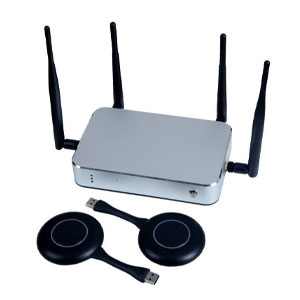
Wireless Presentation Systems enable seamless content sharing, fostering collaboration in meetings. Users can wirelessly connect devices, share content, and enhance productivity with efficient, cable-free presentations.
Audio video Conferencing Systems offer high-quality communication, ensuring clear audio and video for virtual meetings. They foster collaboration, connecting remote teams and facilitating effective communication.
Digital Podiums provide a technologically advanced platform for speakers. With integrated audio-visual features, touch controls, and connectivity options, they enhance presentations, lectures, and public speaking engagements.

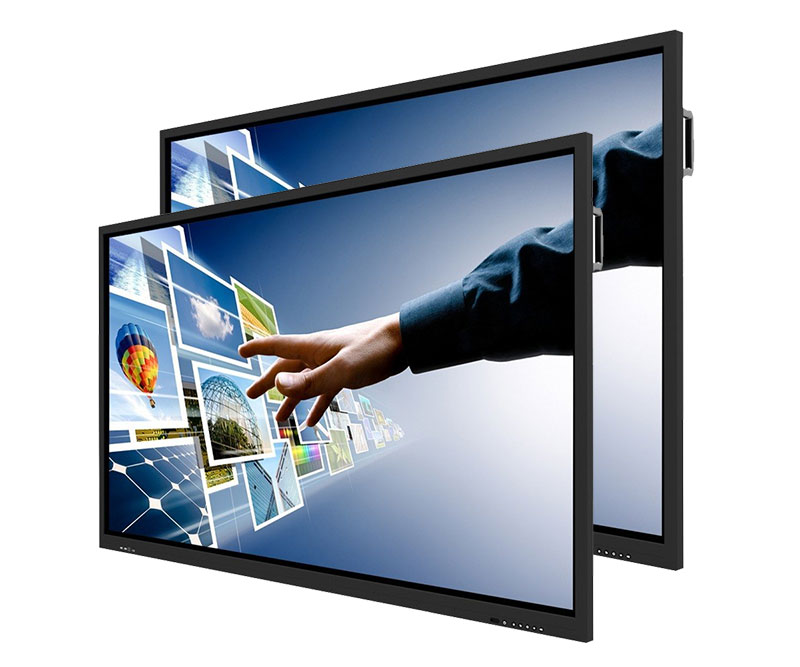
Provide an immersive experience with 4K resolution, up to 40 points of touch, a built-in top-oriented sound bar and microphone array, and a convenient camera USB port location.
| Size: | 86″ |
| Screen Type: | LED |
| Aspect Ratio: | 16:9 |
| Display Area: | 74.61″ x 41.97″ |
| Resolution: | 3840(H) x 2160(V) Ultra HD |
| Pixel Pitch: | 0.4935 mm x 0.4935 mm |
| Back Light Unit: | Direct type LED |
| Response Time: | 6.5 ms |
| Refreshing Frequency: | 60Hz |
| Display Color: | 1.07B (10 bit) |
| Brightness: | 350 cd/m2 |
| Static Contrast Ratio: | 1200:1 |
| Dynamic Contrast Ratio: | 4000:1 |
| Viewing Angle: | 178° |
| Life Time: | ≥50,000 hours |