

 Share
Share
 Post
Post
 Pin
Pin
 Share
Share
 Share
Share
 Share
Share
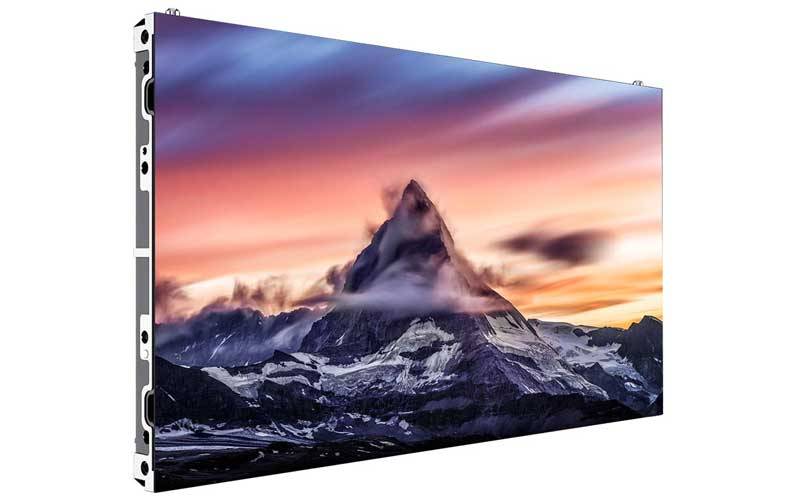
Picking the right display is harder than it looks. There are so many options out there, and a lot of them sound great on paper but disappoint once they are actually running in a real environment. At Yotech Infocom Pvt. Ltd., the focus has always been on solutions that perform as well on day one thousand as they do on day one, and a COB LED Display is one of those solutions that genuinely earns its place over time. The technology has matured quietly and steadily, and the results speak for themselves in the spaces where it is being used.
There is a lot of display technology out there, and most of it works on broadly similar principles. COB, which stands for Chip on Board, takes a different approach to how the LED chips are mounted and protected. Rather than leaving individual diodes sitting exposed on the surface, COB embeds the chips directly into the circuit board and seals everything under a protective resin layer. That one change has a bigger impact than it sounds. Heat gets managed better, the surface becomes far more resistant to damage, and the overall image quality improves in ways that become obvious the longer you use the screen.
Some environments simply cannot afford a display that softens details or loses consistency across the screen. Think about a control room where operators are reading live data, or a broadcast studio where colour accuracy is everything. A properly built COB LED Display handles these demands without flinching. The sealed surface removes the tiny shadows that tend to appear between individual LEDs on older panel types, which means the image looks cleaner and more uniform from edge to edge.
Once people see this technology working in the right setting, the use cases start to make a lot of sense. Its combination of sharpness, durability, and consistent output makes it a strong fit wherever precision genuinely matters. Here is where it tends to make the biggest difference:
This is probably the part of the conversation that matters most to anyone who has replaced a display earlier than expected. Standard panels have exposed components that collect dust, react to humidity, and take damage from accidental contact more easily than people anticipate. The resin-sealed surface of a COB LED Display Screen changes that picture quite a bit. It is smoother, harder to damage, and far less likely to develop the kind of localised faults that force panel replacements. Maintenance costs go down, downtime goes down, and the display keeps performing without demanding a lot of attention in return.
Short viewing distances and detail-heavy content are where this technology really pulls ahead of the alternatives. When someone is sitting two metres from a screen and trying to read precise information, pixel pitch stops being a spec sheet number and starts being something they can actually see. An Active LED COB 1.2 mm Display Wall is built for exactly these conditions, where every millimetre of pixel spacing has a direct impact on how sharp and readable the content appears. Trading floors, security monitoring rooms, and production suites all fall into this category, and getting the spec right in these environments is not optional.
Spending serious money on a display at this level deserves a serious evaluation process. A few questions tend to separate good decisions from regrettable ones. The things worth thinking through carefully before committing include:
Good technology has a way of becoming invisible over time, and that is actually the best thing it can do. When a display just works, day after day, without demanding attention or causing problems, it earns a kind of trust that is hard to put a number on. The best screens are the ones that let the content do the talking while quietly doing their job in the background. For any business that values precision and does not want to revisit this decision in two years, taking the time to choose the right display from the start is absolutely worth it.
Digital signages enhance communication, engage customers, and provide dynamic content delivery, promoting brand visibility and information dissemination in a visually appealing manner.
Interactive Flat Panels facilitate collaborative learning, interactive lessons, and dynamic presentations. With touch capabilities and multimedia support, they enhance student engagement and learning outcomes.
LED Video Walls deliver vibrant, seamless visuals for impactful presentations, events, and advertising. With high brightness and resolution, they ensure eye-catching displays in diverse environments.
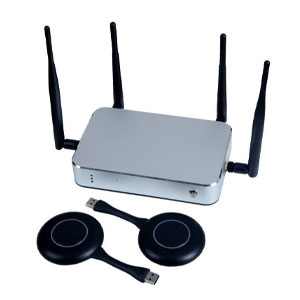
Wireless Presentation Systems enable seamless content sharing, fostering collaboration in meetings. Users can wirelessly connect devices, share content, and enhance productivity with efficient, cable-free presentations.
Audio video Conferencing Systems offer high-quality communication, ensuring clear audio and video for virtual meetings. They foster collaboration, connecting remote teams and facilitating effective communication.
Digital Podiums provide a technologically advanced platform for speakers. With integrated audio-visual features, touch controls, and connectivity options, they enhance presentations, lectures, and public speaking engagements.

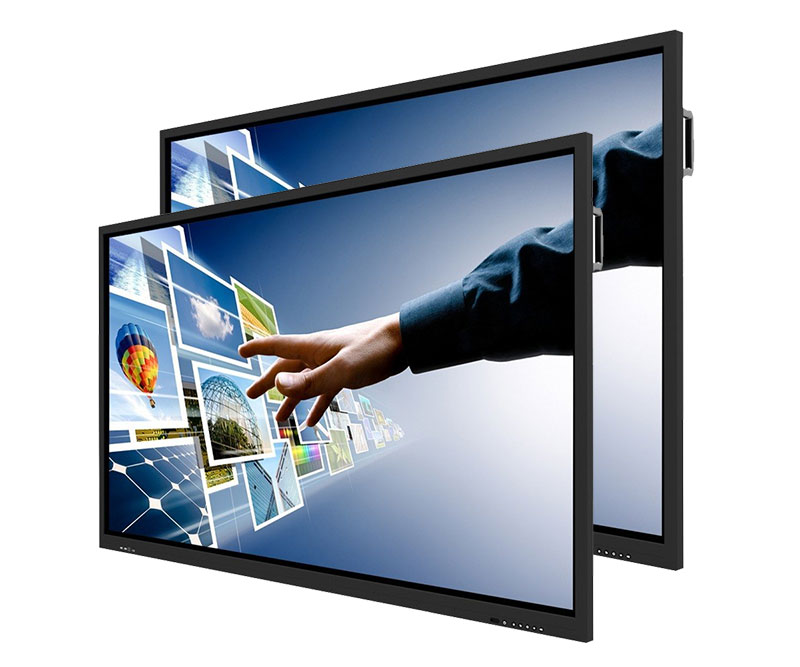
Provide an immersive experience with 4K resolution, up to 40 points of touch, a built-in top-oriented sound bar and microphone array, and a convenient camera USB port location.
| Size: | 86″ |
| Screen Type: | LED |
| Aspect Ratio: | 16:9 |
| Display Area: | 74.61″ x 41.97″ |
| Resolution: | 3840(H) x 2160(V) Ultra HD |
| Pixel Pitch: | 0.4935 mm x 0.4935 mm |
| Back Light Unit: | Direct type LED |
| Response Time: | 6.5 ms |
| Refreshing Frequency: | 60Hz |
| Display Color: | 1.07B (10 bit) |
| Brightness: | 350 cd/m2 |
| Static Contrast Ratio: | 1200:1 |
| Dynamic Contrast Ratio: | 4000:1 |
| Viewing Angle: | 178° |
| Life Time: | ≥50,000 hours |