

 Share
Share
 Post
Post
 Pin
Pin
 Share
Share
 Share
Share
 Share
Share
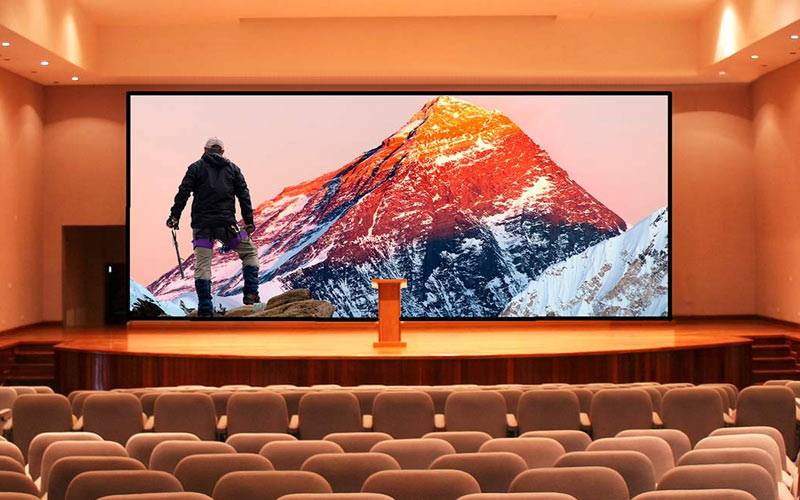
Buying an Indoor LED Wall sounds simple until you actually start comparing options — pixel pitch, brightness levels, cabinet types, and a dozen technical terms that don't mean much unless someone explains them properly. Most businesses end up either overpaying for specs they don't need or underspending and regretting it within a year. So before you sign off on anything, here's a practical way to think it through, room by room, decision by decision.
Before touching specs, figure out the job the screen needs to do. A boardroom display, a retail backdrop, and a broadcast studio wall all have completely different requirements, even though they might look similar on a spec sheet. A boardroom needs sharp detail up close. A retail wall needs to grab attention from across a hallway. Get this part wrong, and no amount of brightness fixes it later.
A few questions worth answering first:
Once you're clear on the purpose, the rest of the checklist gets a lot easier to work through.
Here's where a lot of buyers slip up — they focus entirely on the display panel and forget that an Indoor LED Wall System includes far more than that. There's the processor that handles the signal, the mounting structure, the cabling, and the software that lets you actually control what's on screen. A stunning panel with a clunky control system is still a headache to operate every single day.
Things worth checking on this front:
Skipping this step is how businesses end up with a beautiful screen that nobody in the office knows how to use properly.
Price matters, obviously, but comparing purely on cost per square foot rarely tells the full story. A Indoor LED Display Wall with a slightly higher upfront cost often comes with better colour accuracy, lower power draw, and a longer lifespan — all things that quietly save money over the years rather than upfront. Ask for the real numbers: expected lifespan in hours, brightness in nits, and refresh rate, not just the marketing pitch.
It's also worth asking what pixel pitch actually fits your room. A tighter pitch looks incredible up close but costs more than most rooms genuinely need. A slightly wider pitch, viewed from a sensible distance, often looks just as sharp for a fraction of the price.
Specs on paper are one thing, but how a screen actually feels to look at is another. A good Indoor LED Screen Wall should have minimal visible seams between panels, consistent colour across the entire surface, and wide viewing angles so the image doesn't wash out from the side of the room. If you can, insist on seeing a live demo rather than trusting product photos, since lighting and camera angles can make almost any panel look impressive online.
Pay attention to how the screen handles motion too. Fast-moving visuals can reveal ghosting or lag on lower-quality panels, something that's easy to miss on a quick showroom glance.
To sum it up, before finalising anything, walk through: purpose of the room, viewing distance, pixel pitch, brightness needs, mounting and maintenance access, warranty terms, and how the content will actually be managed day to day. Skip any one of these, and you risk paying for a screen that looks good in a brochure but doesn't quite fit your space.
If you'd rather have someone walk you through this instead of figuring it out alone, Yotech Infocom Pvt. Ltd., based in New Delhi, manufactures a full range of indoor panels — from simple all-in-one cabinet designs to COB-based options built for true colour accuracy. Their team can help match the right configuration to your room instead of just selling you the most expensive option on the list.
A well-chosen display should disappear into the experience, not draw attention to its own flaws. Take the time to get this checklist right, and it will.
Digital signages enhance communication, engage customers, and provide dynamic content delivery, promoting brand visibility and information dissemination in a visually appealing manner.
Interactive Flat Panels facilitate collaborative learning, interactive lessons, and dynamic presentations. With touch capabilities and multimedia support, they enhance student engagement and learning outcomes.
LED Video Walls deliver vibrant, seamless visuals for impactful presentations, events, and advertising. With high brightness and resolution, they ensure eye-catching displays in diverse environments.
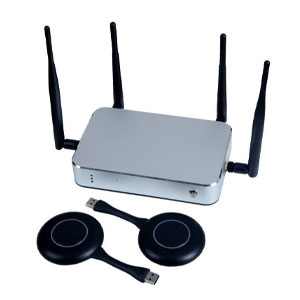
Wireless Presentation Systems enable seamless content sharing, fostering collaboration in meetings. Users can wirelessly connect devices, share content, and enhance productivity with efficient, cable-free presentations.
Audio video Conferencing Systems offer high-quality communication, ensuring clear audio and video for virtual meetings. They foster collaboration, connecting remote teams and facilitating effective communication.
Digital Podiums provide a technologically advanced platform for speakers. With integrated audio-visual features, touch controls, and connectivity options, they enhance presentations, lectures, and public speaking engagements.

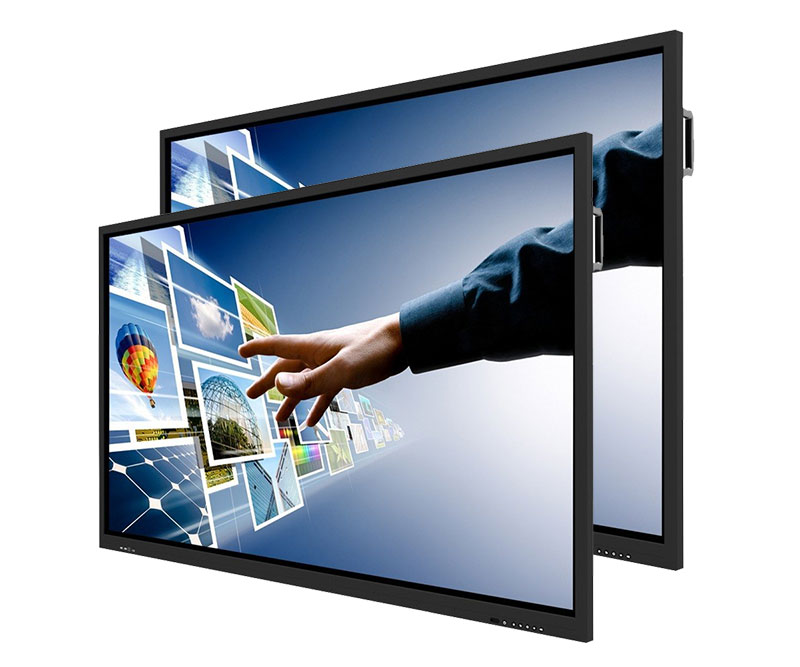
Provide an immersive experience with 4K resolution, up to 40 points of touch, a built-in top-oriented sound bar and microphone array, and a convenient camera USB port location.
| Size: | 86″ |
| Screen Type: | LED |
| Aspect Ratio: | 16:9 |
| Display Area: | 74.61″ x 41.97″ |
| Resolution: | 3840(H) x 2160(V) Ultra HD |
| Pixel Pitch: | 0.4935 mm x 0.4935 mm |
| Back Light Unit: | Direct type LED |
| Response Time: | 6.5 ms |
| Refreshing Frequency: | 60Hz |
| Display Color: | 1.07B (10 bit) |
| Brightness: | 350 cd/m2 |
| Static Contrast Ratio: | 1200:1 |
| Dynamic Contrast Ratio: | 4000:1 |
| Viewing Angle: | 178° |
| Life Time: | ≥50,000 hours |